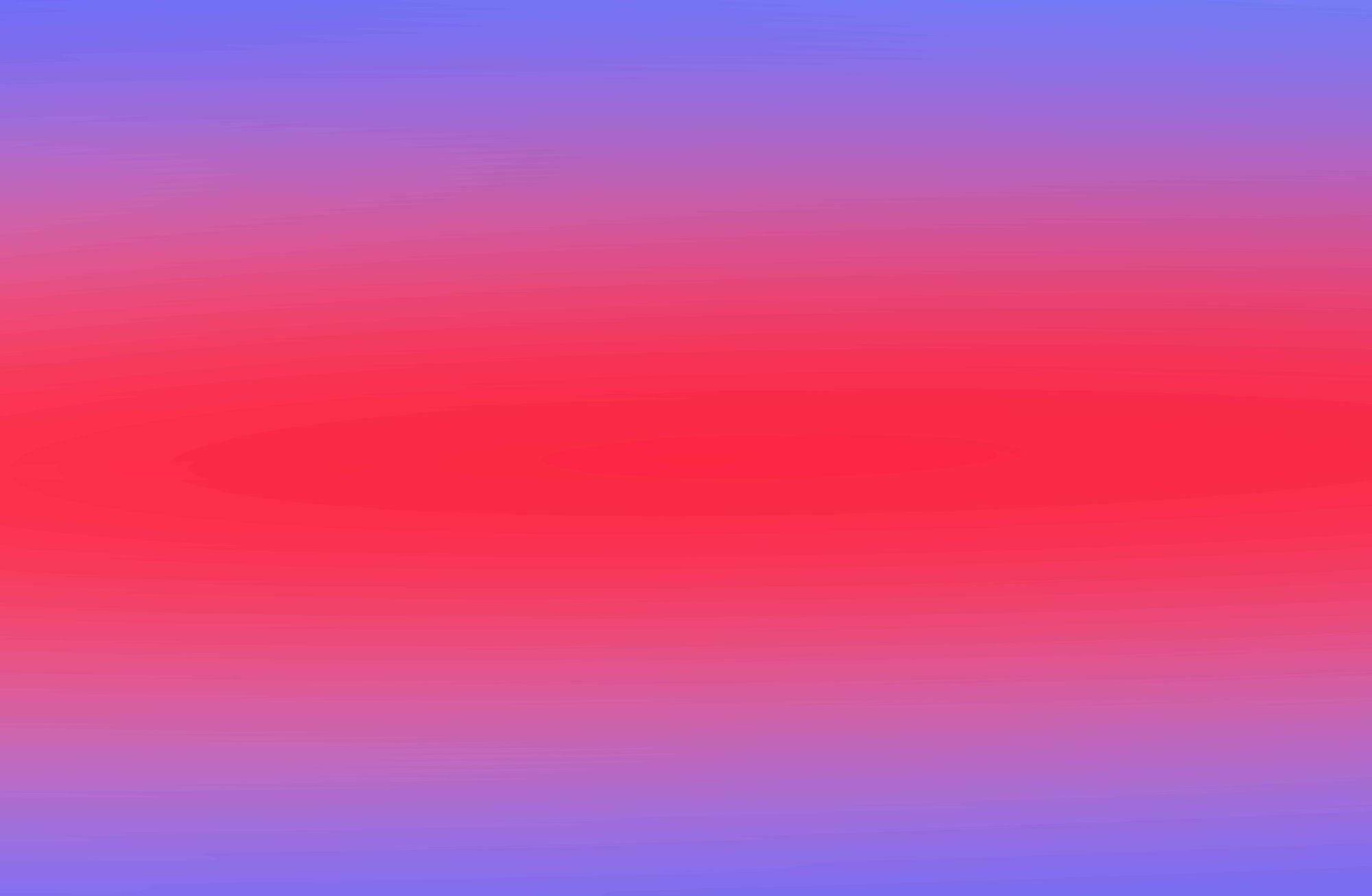
Before there was Continuum — before the world tour, before Times Square, before LACMA — there were paintings. Digital paintings glowing on a screen in a home studio in Singapore, made for one artist's own healing.
People know Continuum as an immersive animated installation. What they may not know is that it was not conceived as video. Continuum is, at its origin, a series of individual digital paintings — still compositions of color and light, each one a meditation in itself — that were later curated into sequences and animated interwovenly into the flowing experience the world now recognizes. The animation came second. The paintings came first. And the paintings are where the real story lives.
"I do not paint with pigment. I paint with the light that screens emit."
Since 2012, Kim's process has been to gather digital images of LED lights — photographing the raw luminosity of the screen itself — and then manipulate these captured light sources using multiple software tools within a painterly framework. She is not illustrating. She is not rendering. She is composing with actual light, treating the pixel as a pigment, the screen as a canvas, and the color space as a contemplative environment.
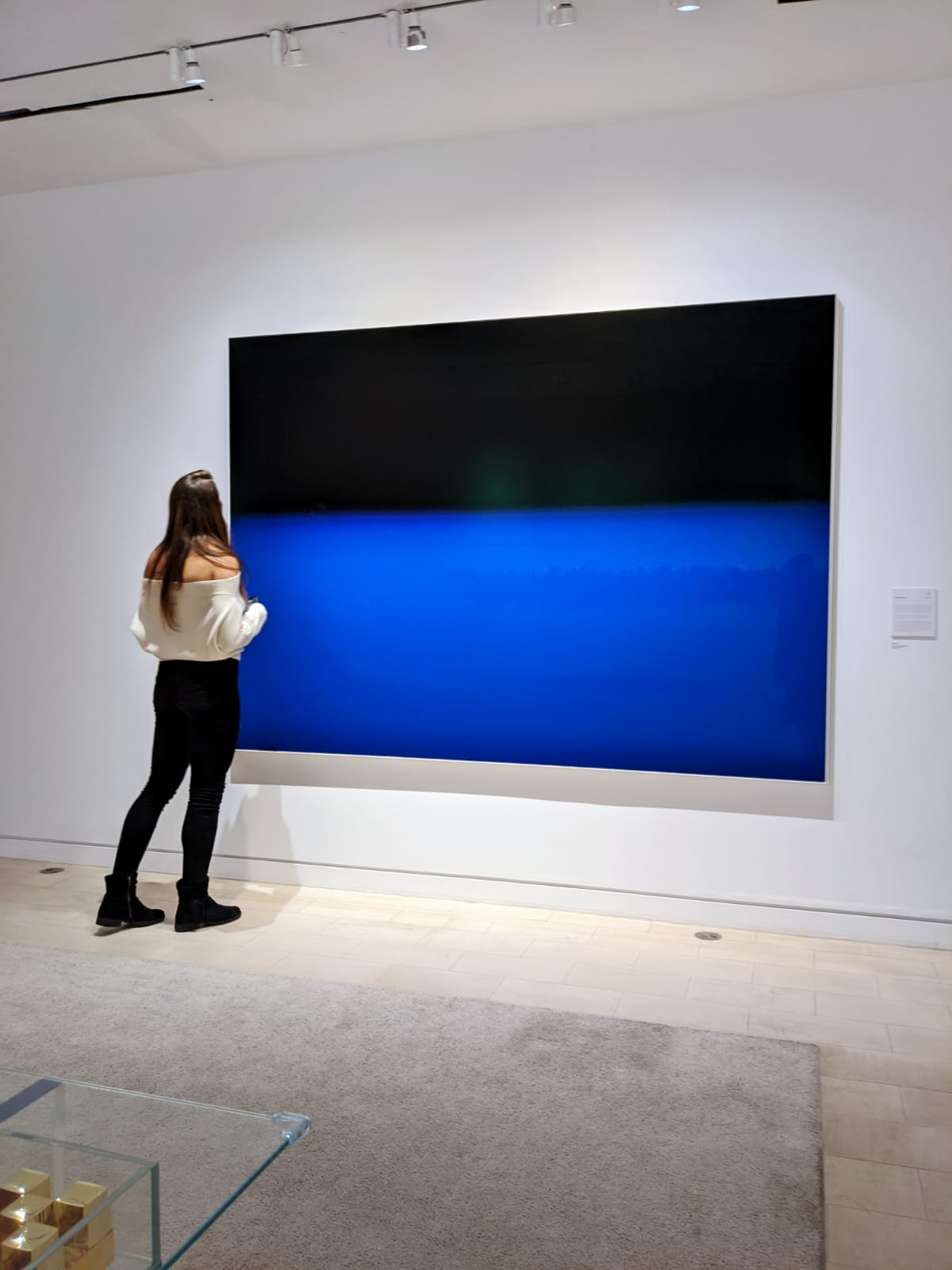
The technique is closer to Color Field painting — vast, enveloping expanses of color that have no focal point, no horizon, no object. Just color in relationship with color. Soft lavender bleeding into oceanic blue. Warm pink dissolving into pale gold. The greens are so quiet they feel like the memory of forests. White that arrives like dawn.
Each composition emerges from a meditative state. Kim's father — a Grandmaster of Martial Arts — taught her the Korean word Mushim: empty mind. They sat in meditation for ten minutes before every training session and ten minutes after. That discipline never left her. Before composing, she enters Mushim first — emptying the mind, listening not to ideas but to the body, following the felt sense of where a gradient wants to shift, stopping when something inside her settles.
"She was, in the most literal sense, self-medicating."
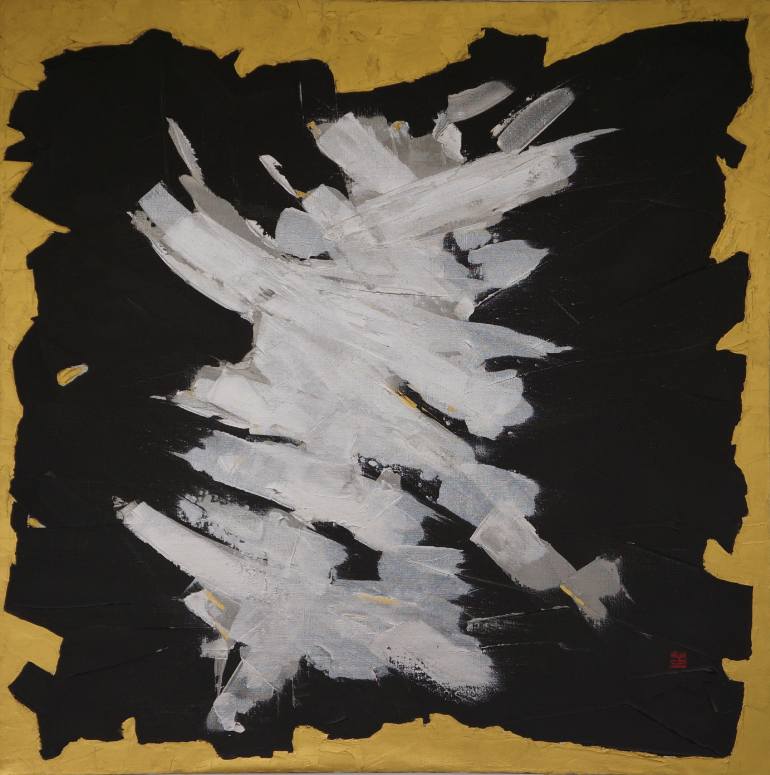
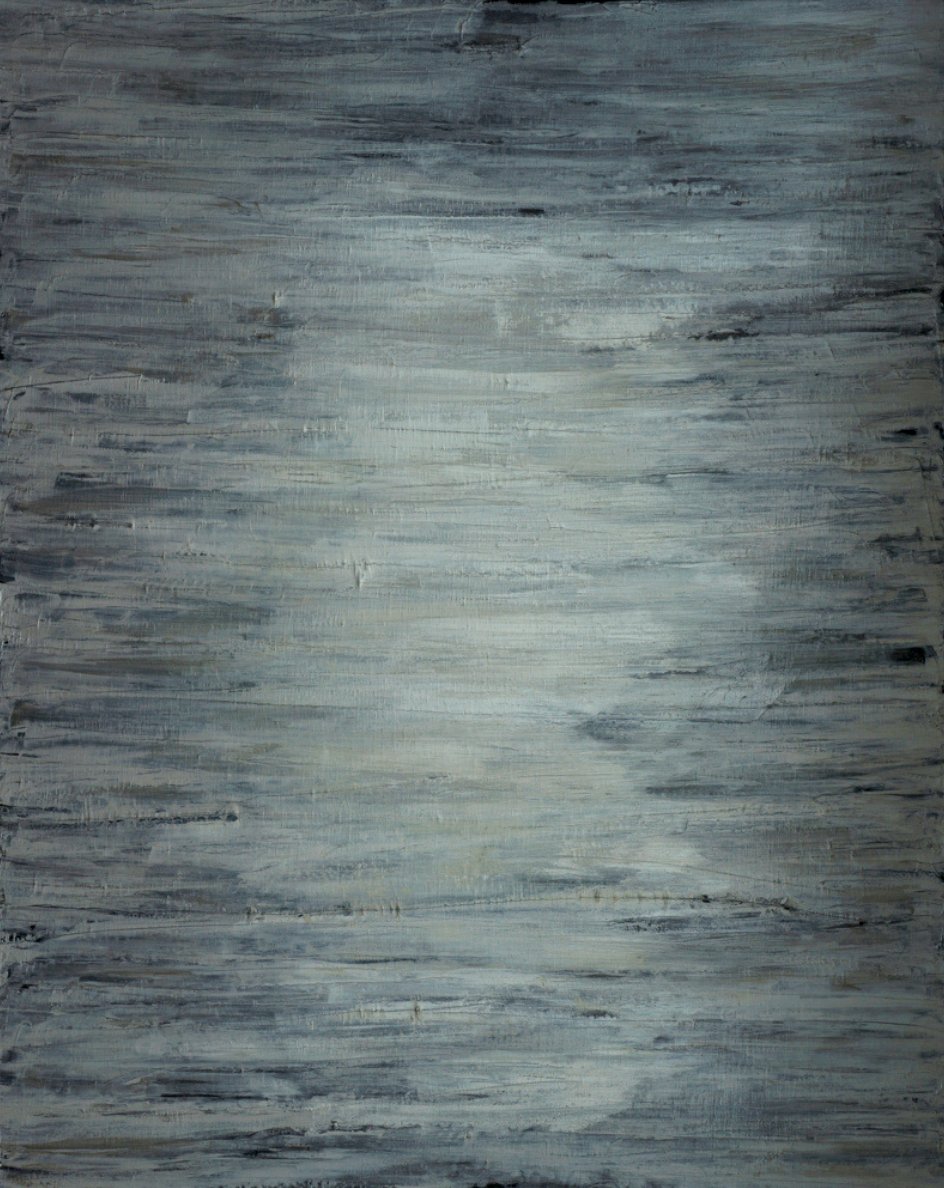
The digital work did not emerge from nowhere. Before the gradient paintings, before the luminous fields of color that would eventually fill Times Square and the walls of LACMA, there were canvases. Physical, material, worked by hand — paintings that were already reaching toward light, already trying to make pigment glow.
During her years living and studying in Japan, Kim immersed herself in the abstract traditions she found there — the precision of mark-making, the philosophy of the brushstroke as an extension of the body's energy, the Zen understanding that technique and stillness are not opposites but the same discipline approached from different directions. She trained her hand the way her father had trained her mind: through repetition, through silence, through the accumulated knowledge of the body.
The paintings from this period are built with metallic and iridescent pigments — silver, gold, copper, pearl — worked into abstract fields using gestural techniques absorbed from her Japanese training. The choice of material was not decorative. It was intentional and precise: metallic paint does not absorb light the way conventional pigment does. It refracts it. The surface becomes active, shifting with the angle of view and the quality of the light in the room. A painting made with silver pigment is never the same painting twice — it changes with the hour, with the season, with the position of the viewer's body.
This was the original inquiry: could paint hold energy? Could the physical gesture of the brushstroke — the velocity of the arm, the pressure of the wrist, the breath behind the movement — be preserved in the dried pigment, and released again when a viewer stood before it? Could a painting illuminate not just visually but energetically, the way a tuning fork holds a frequency until something causes it to sing?
The digital paintings are the answer to the question the metallic paintings asked. When she moved to the screen, she did not leave the iridescence behind — she found a medium that never stops refracting.
Kim's artistic life changed in one afternoon at the Ryoanji Temple Garden in Kyoto.
Seated in that garden — raked white gravel, fifteen moss-covered stones, a 500-year-old composition of radical simplicity — something opened. She understood that the Zen monks had created an immersive experience in service to humanity. A space that elevates consciousness. Not through spectacle but through reduction. Not through complexity but through the careful arrangement of a few elements designed to still the mind.
She saw the mirror between that practice and her father's teaching. The martial arts exist to elevate human consciousness. The Zen garden exists to elevate human consciousness. Sitting there, she knew she wanted to carry this tradition forward — not through gravel and stone, but through the medium of our time: the digital screen.
Three artists seized her and never let go.
The great modern ink painter — the painting and the meditation are the same act.
Color field paintings proved that pure color, at scale, could overwhelm the thinking mind.
Light itself — not a picture made with light, but light as material — is the medium of consciousness.
When Kim entered the Goldsmiths MFA program at LaSalle College of the Arts in Singapore, she arrived as a painter. She graduated as a digital artist. The transition happened because of meditation. Sitting with her screen, composing these Zen colorspaces — fields of gradient light designed to quiet the mind — she understood that the colors and compositions that were healing her must be doing the same for others.

Each painting in what Kim calls the Digital Consciousness series is an abstract reduction of color and light emitted from screens, designed to quiet the mind and foster inner peace.
There is no representation. No narrative. No figure, no landscape, no symbol. Just color meeting color in slow, breathing transitions — gradients that shift so subtly they seem almost still, pulling the eye into a state of soft focus where thought decelerates and the body begins to settle.
The palette is not arbitrary. Kim works with the colors her physiology responds to: soft lavenders that dissolve tension in the chest. Blues that slow the breath. Greens that harmonize — that feel like the body returning to balance. Pale yellows that clarify. Pinks that open the heart. Whites that feel like spaciousness itself.
"She did not know, when she first composed these works, that clinical research would later identify these specific color wavelengths as chromotherapeutic agents."
Recent research into immersive therapeutic media has confirmed that dynamic visual environments — slowly shifting, rhythmic color fields — create a profound sense of what clinicians call 'Presence' and trigger measurable autonomic down-regulation. The still paintings already carried this quality in their gradients. When Kim animated them, interlacing one composition into the next in slow rhythmic sequences, she was creating — without knowing the clinical term — what researchers now describe as a restorative arc.
Krista Kim composed her color fields by feeling — by the body's response, by the nervous system's reach toward certain wavelengths. She did not begin with neuroscience. She began with Mushim. What clinical research is now revealing is that her intuition was precise. The colors she gravitated toward, the gradients she built, the luminosity she tuned — each corresponds to documented neurobiological mechanisms. Science, arriving decades later, is finding the same thing her body already knew.
The autonomic nervous system maintains homeostatic balance through its continuous response to environmental light. Ocular exposure to visible light signals travel beyond image formation — they reach the suprachiasmatic nucleus and the paraventricular hypothalamus, directly modulating cardiac vagal activity (CVA). The primary biometric is vagally-mediated heart rate variability (vmHRV): a measure of the body's capacity for self-regulation.
Research has established that high-illuminance blue light reduces vmHRV — it promotes arousal, alertness, cortisol production. Conversely, lower-illuminance warm light measurably increases vmHRV, supporting parasympathetic activation and autonomic relaxation. Kim's paintings — their soft lavenders, their warm pinks, their luminous golds — sit precisely within the therapeutic window. More significantly, she uses 3D LUT color-grading profiles to mathematically remap spectral emissions: truncating the 480nm blue peak known to activate arousal pathways, and prioritizing the warm spectral range that fosters cardiac vagal tone.
The human visual system is biologically optimized to process fractal patterns — recursive complexity that mirrors the structure of nature. Research in neuro-esthetics identifies a fractal dimension (D) of approximately 1.3 to 1.5 as the zone of maximal esthetic appeal and physiological relaxation. This range mirrors clouds, coastlines, the branching of trees. When the eye scans these patterns, its saccadic search rhythm falls into a natural resonance — engaging the ventral visual stream, activating the parahippocampal region, and reducing visual fatigue.
Kim's digital gradients, with their slow color transitions and softly luminous fields, align with this D = 1.3 resonance cluster. The result: exposure to these works induces measurable increases in frontal alpha-wave activity — the brain's neuro-biometric signature of wakeful rest — and the smallest rise in skin conductance during cognitive stress tasks. The eye is not searching. It is settling.
The human retina is highly sensitive to green wavelengths at approximately 530nm, which influence the retino-hypothalamic tract and the suprachiasmatic nucleus. Preliminary clinical research into Green Light Therapy (GLT) shows efficacy in alleviating chronic pain conditions — migraines, fibromyalgia — by modulating the endogenous opioid system. Photobiomodulation via green light is linked to stimulation of mitochondrial ATP production, serotonin and dopamine release, and neurological pain pathway modulation.
The greens in Kim's palette — present in Continuum, in her Digital Consciousness series, in the transitional gradients between color fields — are not compositional choices made for esthetic balance alone. They are biological events. The body responds to them before the mind registers their presence.
Scale is not incidental to Kim's large-scale installations — it is clinically determinative. When a color field occupies the peripheral vision entirely, it creates what neuroscientists call the Ganzfeld effect: a seamless, structured visual field that decreases thalamo-cortical coupling. The thalamus — the brain's sensory gatekeeper — reduces its filtering activity. The nervous system moves away from external vigilance and toward an altered state conducive to deep rest, meditation, and emotional integration.
This immersive scale also engages intrinsically photosensitive retinal ganglion cells (ipRGCs) — melanopsin-based receptors that relay environmental irradiance through the retino-hypothalamic tract directly to the SCN. This pathway governs circadian rhythm regulation, sleep-wake alignment, and mood stability. Kim's installations do not merely surround the viewer. They biologically integrate.
She knew. The body always knows first. What we now have — from Bournemouth, from Martins, from the neuro-esthetics literature — is the vocabulary to describe what her nervous system was already measuring in that studio in Singapore, composing in silence, following the felt sense of where a gradient wants to shift.




How the Paintings Became Continuum
The journey from painting to animation was not a leap. It was an unfolding.
Kim had built a body of individual works — hundreds of digital paintings, each a complete Zen colorspace. She began to see them not as isolated compositions but as movements in a larger meditation. The way a breath has phases: inhalation, pause, exhalation, pause. Each painting was a phase. The question became: what happens when they breathe together?
She curated the paintings into sequential series — choosing the order by how the transitions felt in her body. This blue into that lavender. This green warming into gold. The sequencing was intuitive and physiological: composing the way a musician arranges movements in a symphony, guided by the felt sense of tension and release.
She then animated the sequences interwovenly — one painting dissolving into the next in slow, continuous transitions, so that no single frame is ever fully one painting or another. The viewer is always between. Always in the gradient. Always in the space of becoming.
The result is something that functions both as art and as therapeutic intervention — though Kim would not have used that clinical language when she began. She would have said simply: it makes people feel better. It restores something that the noise of the world depletes.
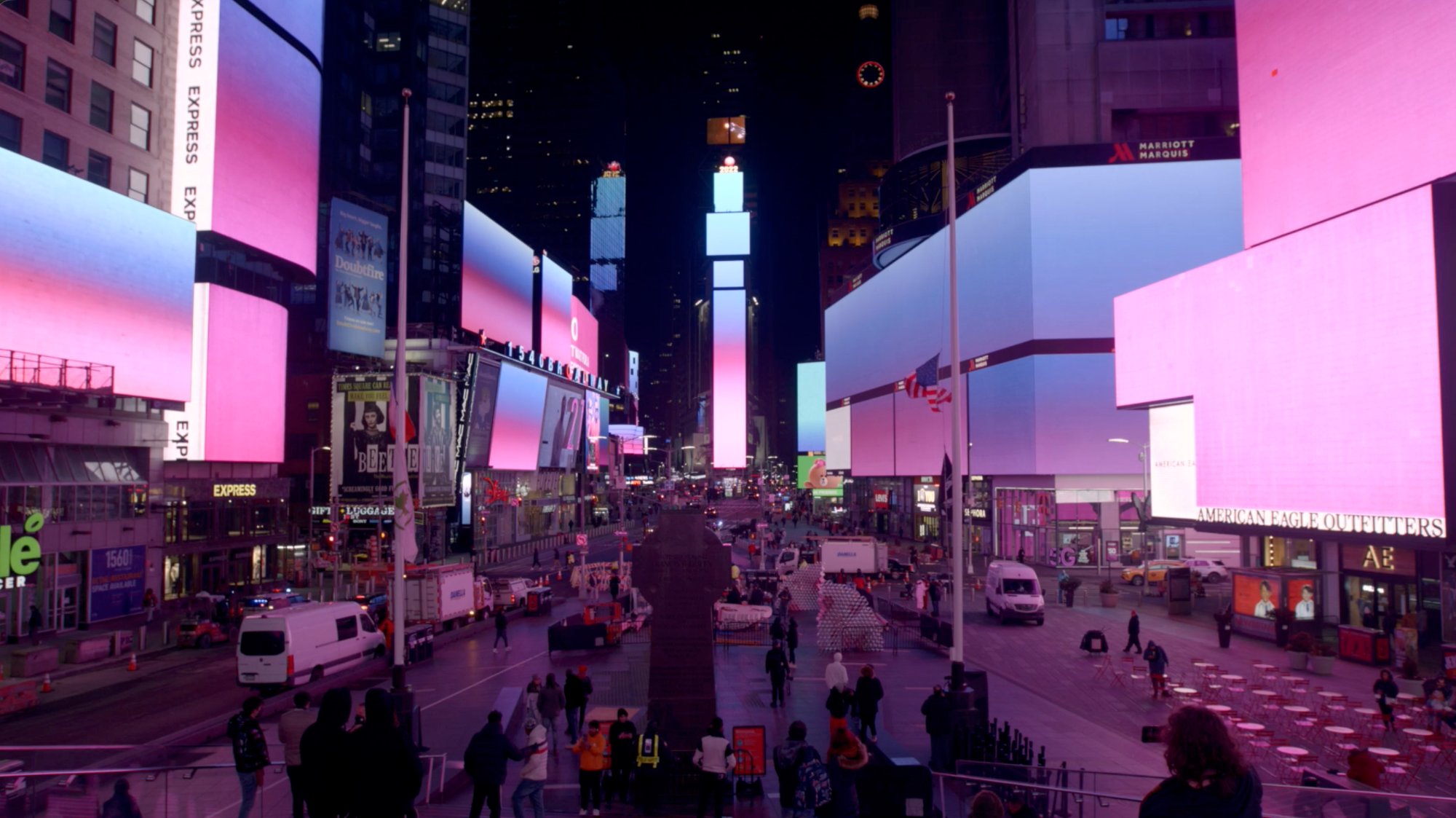
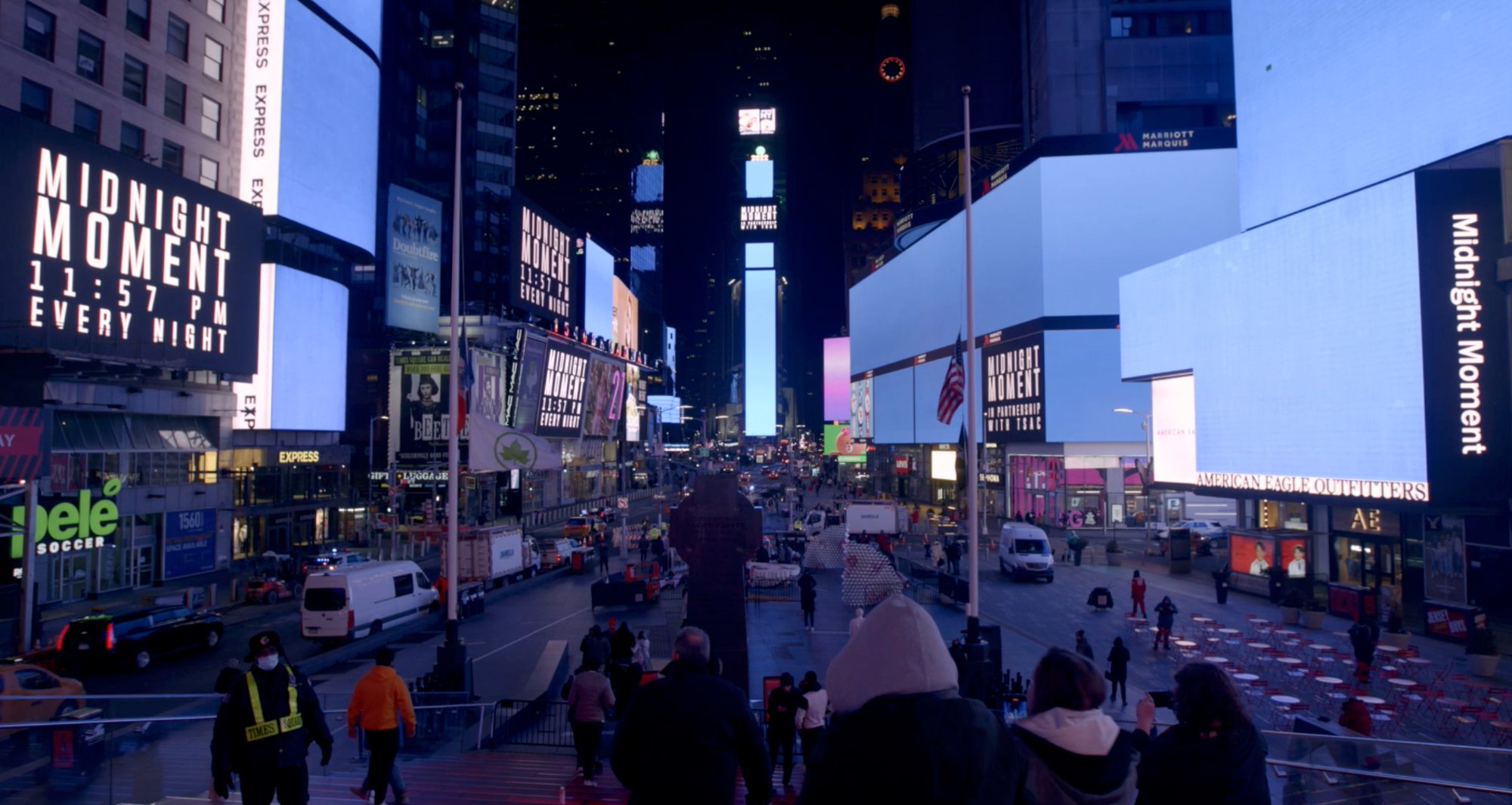
Krista Kim is a Canadian-Korean contemporary artist. She is currently writing Proof of Humanity, a book on human sovereignty in the age of AI.